Transition Mission
Are you going up to secondary school in September? Got a few questions? Feeling a bit anxious? Transition Mission will help...
Transition Mission has been created by a group of young people in Cornwall. They wanted to share some of the things they think could help make transition easier. Transition mission is full of great advice and really helpful wellbeing ideas.
Your school may have already given you a copy of the booklet. If not you can Download Transition Mission here
Transition Mission Booklet with downloadable pages
There's more about Transition MIssion plus great ideas and activities in our wellbeing toolkit
Download extra copies of reusuable pages:
(Click on the images)
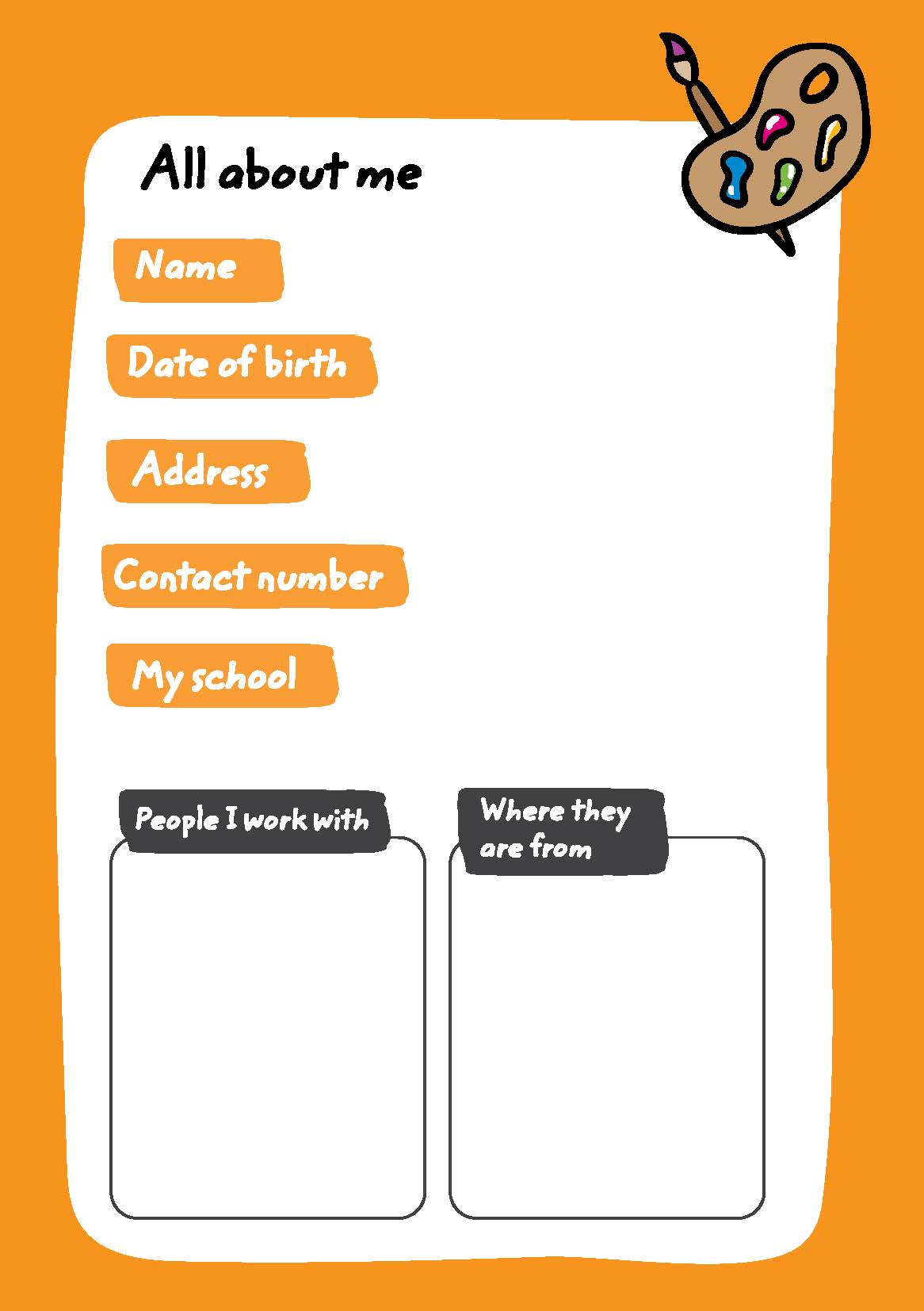
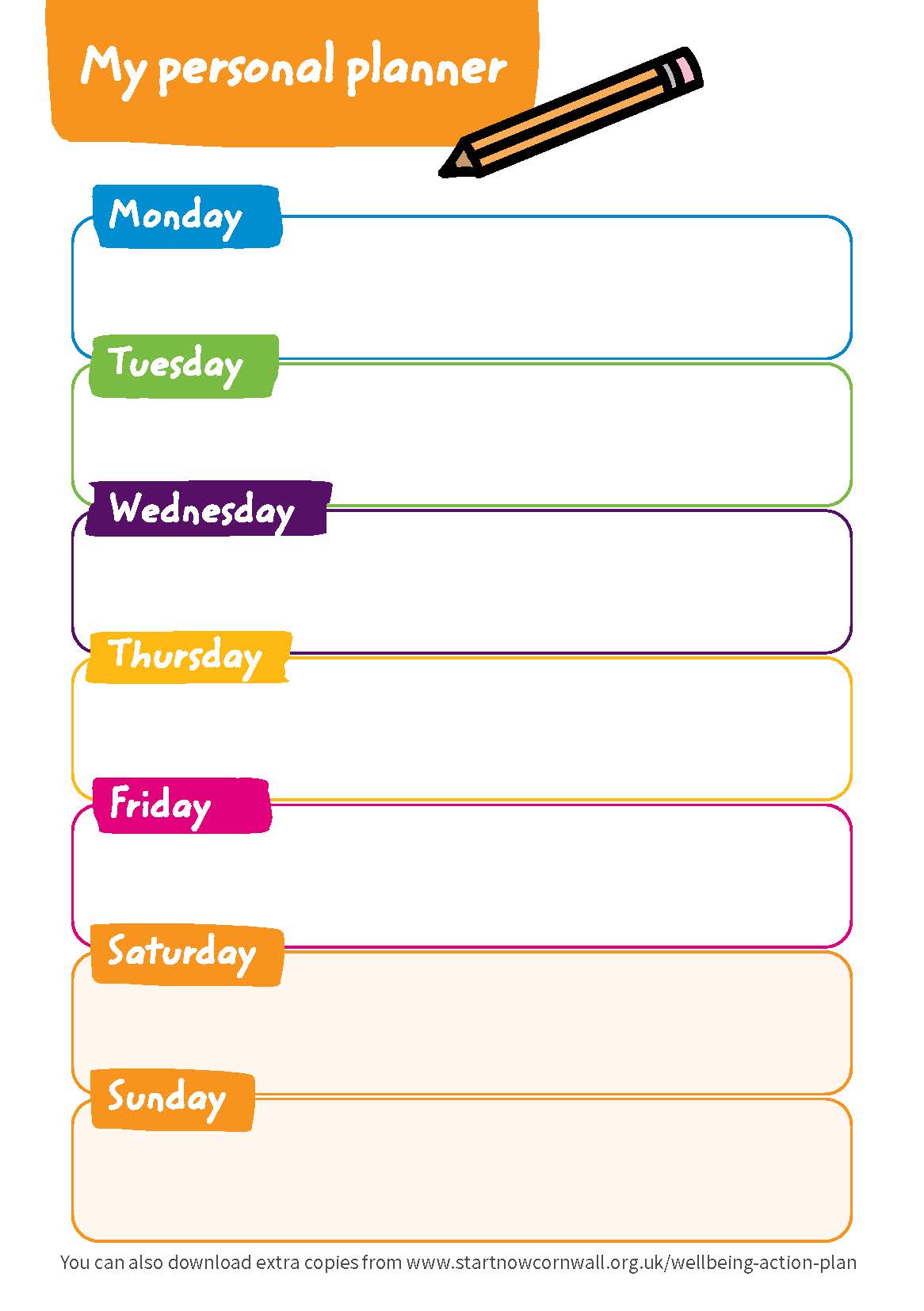
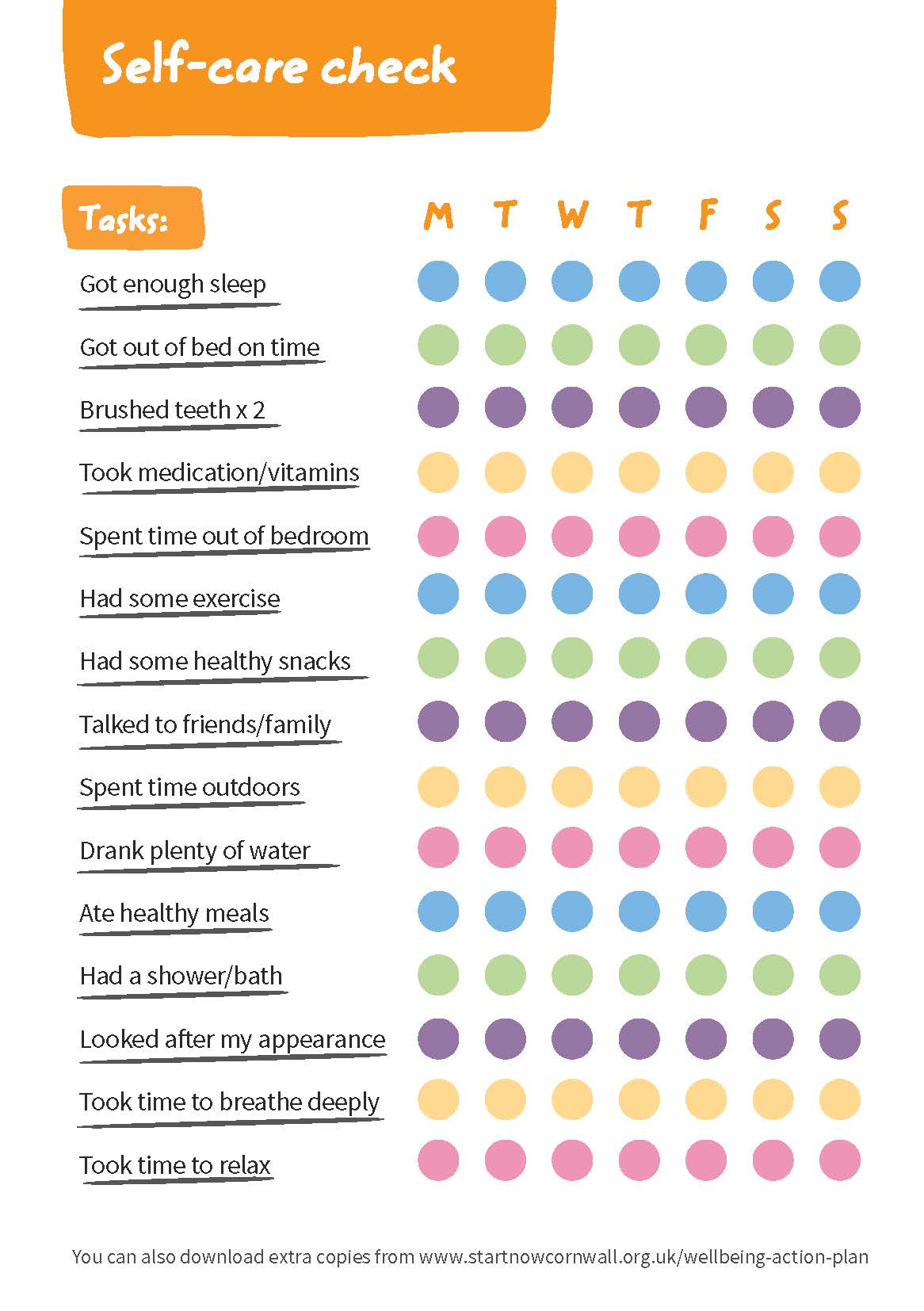
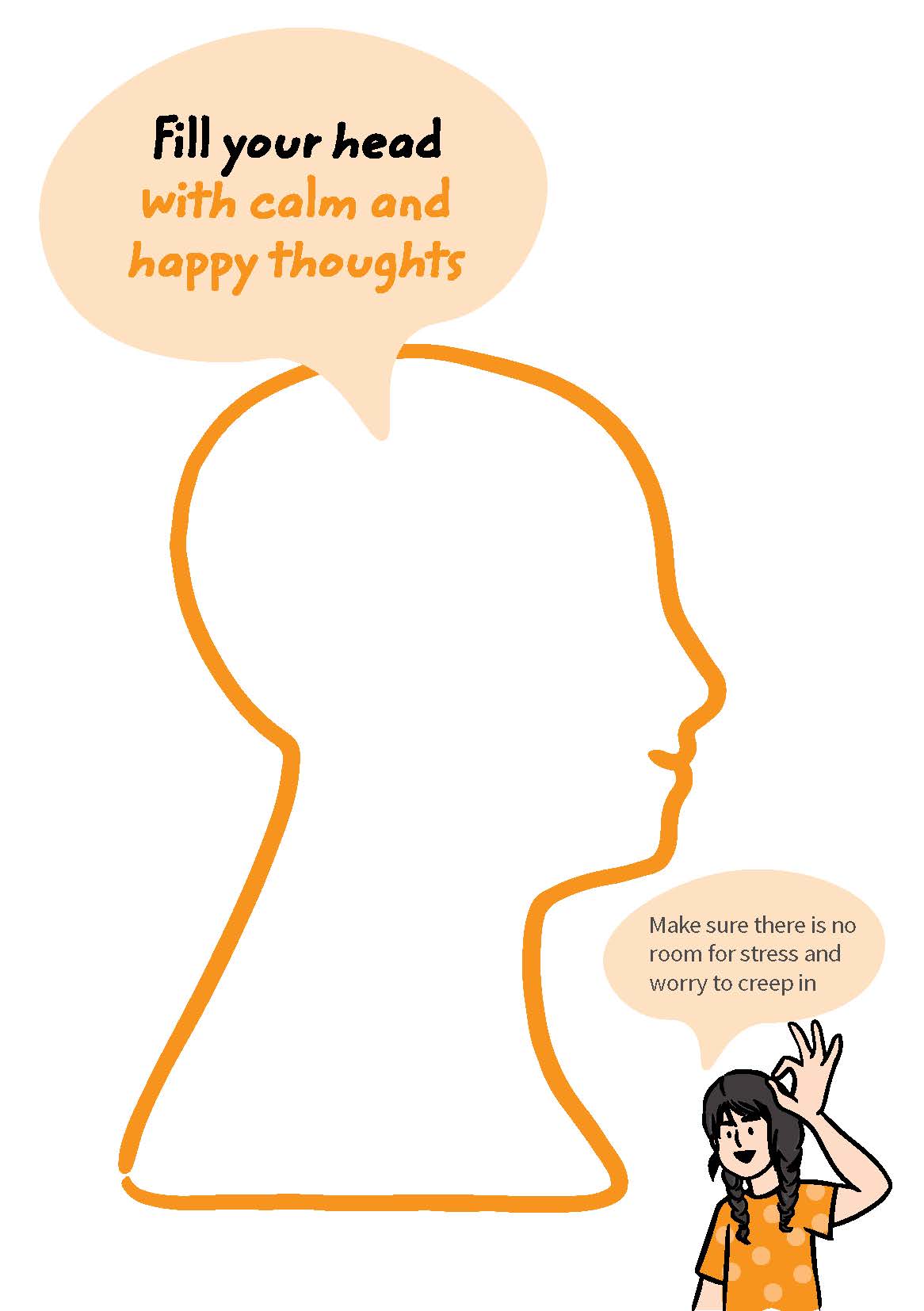
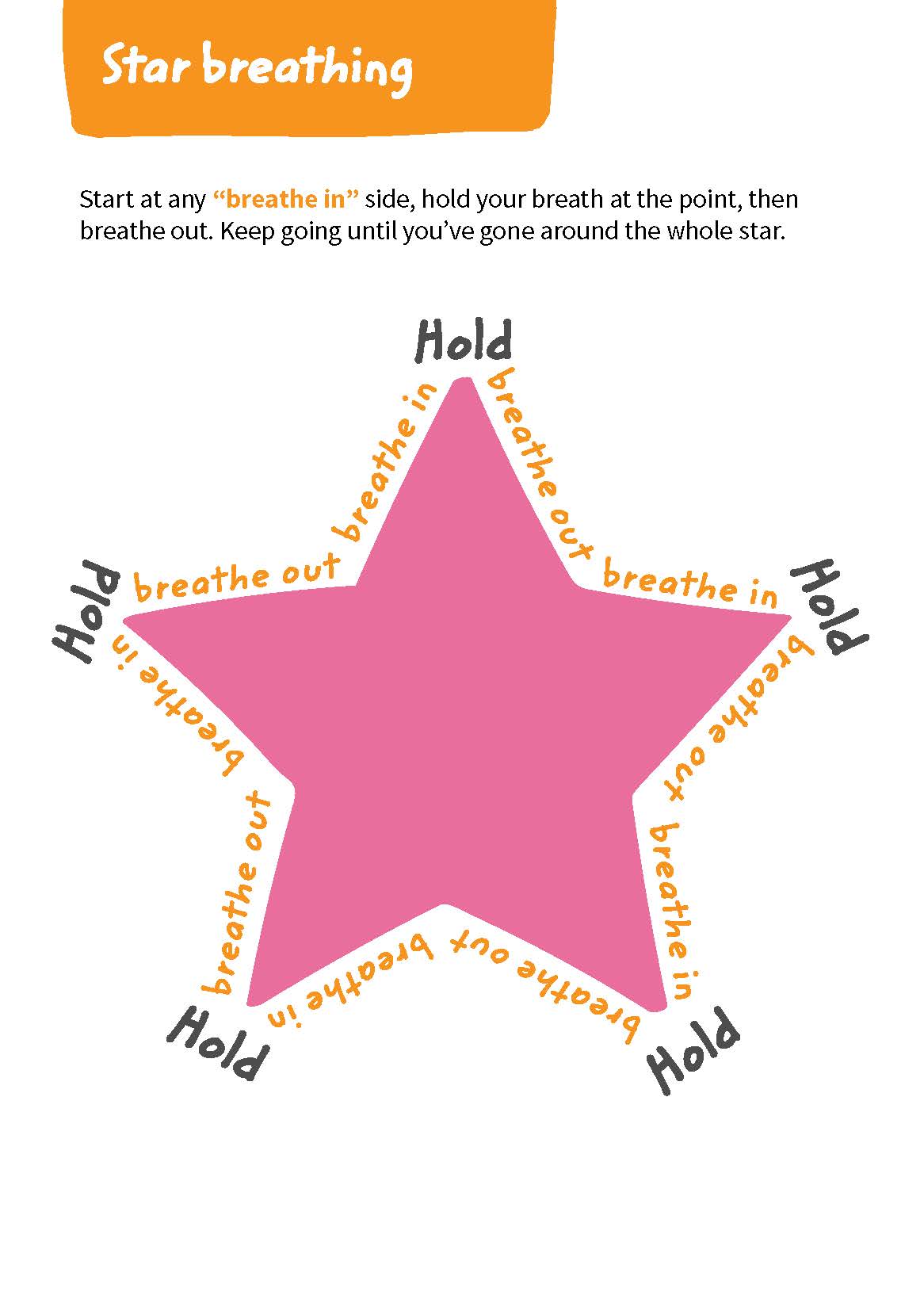
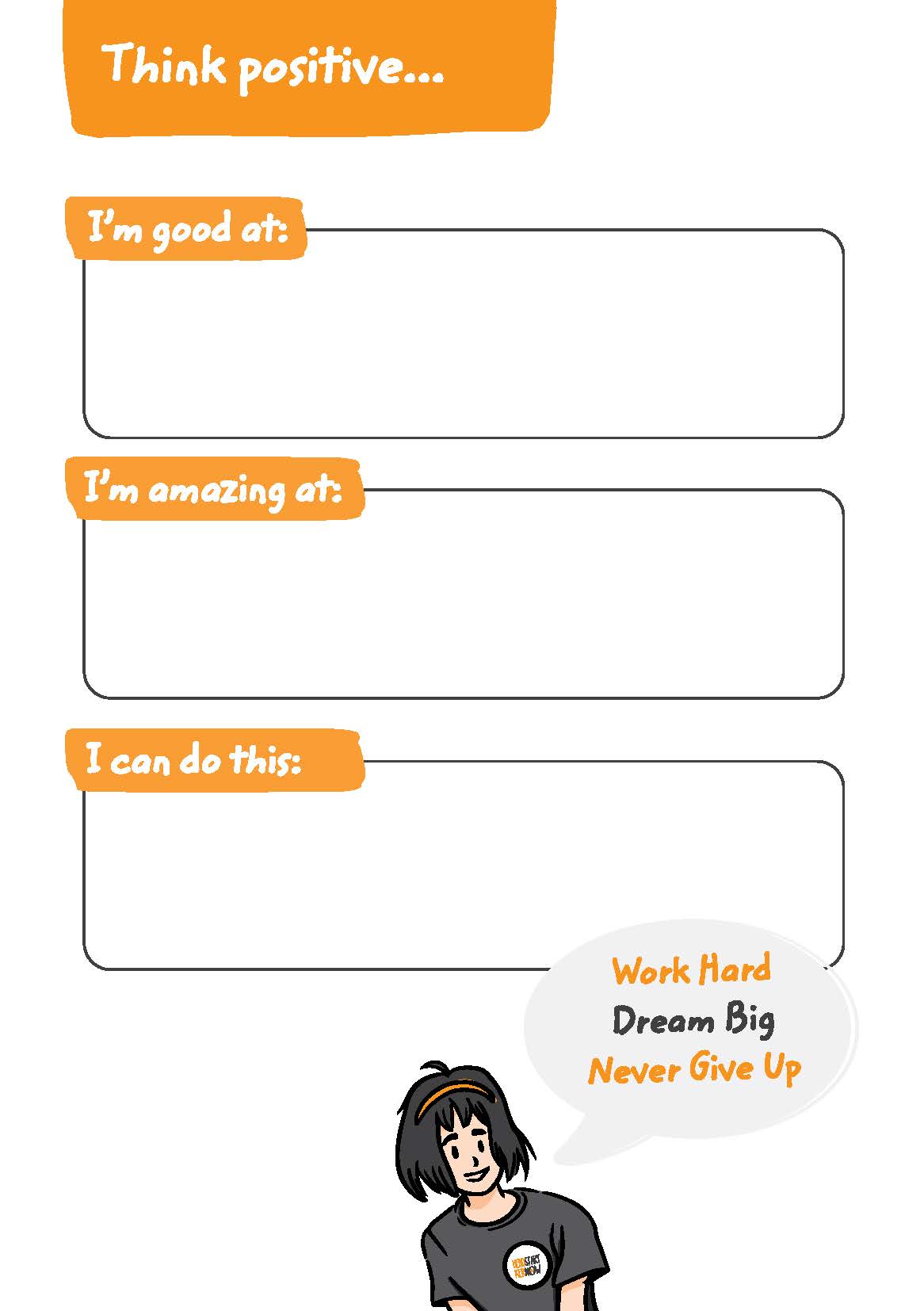
There are more fantastic activities for self-care, including more breathing / calming ideas and downloadable colouring sheets in the Wellbeing Toolkit
Transition Mission
Brilliant advice for young people starting secondary school. Got a few questions? Feeling a bit anxious? Transition Mission will help...
Transition Mission has been created by a group of young people in Cornwall. They wanted to share some of the things they think could help make transition easier. Transition mission is full of great advice and really helpful wellbeing ideas.
Your school may have already given you a copy of the booklet. If not
Transition Mission Booklet with downloadable pages
There's more about Transition MIssion plus great ideas and activities in our wellbeing toolkit

Trekenner School Y6's present Transition Mission the Movie
Trekenner School Y6's wanted to make a film about some of the things they were worried about and some tips for overcoming them... so they went on their own Transition Mission...
Worry Buster Posters
Do you worry about getting lost and not finding where you need to be?
Moving up - a film about Transition
We love this great advice from Lyra who was a Y6 student. She wrote it for her younger sister...

You don't have to feel settled in the first week.
Most people need a few weeks, and sometimes a few months, to feel comfortable in a new school. If things feel strange at first, that doesn't mean you're never going to settle—it means you're adjusting.
Remember: Feeling nervous is normal. Feeling nervous and doing it anyway is brave.
You don't need to be the loudest or most outgoing person.
Simple things can make a big difference:
- Smile at people.
- Say hello.
- Ask simple questions.
- Sit near others when possible.
- Thank people who help you.
Friendships often start with small conversations rather than big, 'attention seeking' moments.
At first, it can feel as though everyone already has friendship groups.
Instead of trying to become friends with lots of people at once, focus on getting to know one person. One friendly face can make school feel much less daunting.
Quality beats quantity.
Many friendships develop through shared activities rather than sitting down and deciding to become friends.
Consider:
- Clubs
- Sports
- Music groups
- Drama
- Lunchtime activities
- Student leadership opportunities
People often connect more easily when they are doing something together.
Every school has adults whose job is to help students settle in.
This might include:
- Tutors
- Form teachers
- Heads of Year
- Pastoral staff
- School counsellors
- Teaching assistants
If you're struggling, tell someone. Doesn't matter if it is big or small - if it's bothering you... tell someone.
Everyone else may seem settled and confident. But you don't see:
- Their worries.
- Their friendship problems.
- Their difficult days.
Try not to judge your first few weeks against other people's years of experience at the school.
but, don't forget to make space for new ones
It is perfectly OK to miss your old school and friends. Staying connected can help, but spending all your time looking backwards can make it harder to build new connections.
Think:
"I can keep old friendships and build new ones."
You don't have to choose one or the other.
You might:
- Get lost.
- Forget names.
- Turn up in the wrong place.
- Not understand school routines.
This happens to almost everyone who changes schools.
Try to treat mistakes as part of learning rather than evidence that you're failing.
Big changes use lots of emotional energy.
Try to:
- Get enough sleep.
- Eat regularly.
- Stay active.
- Spend time doing things you enjoy.
- Take breaks from social media if it makes you feel worse.
Looking after yourself helps your brain cope with change.
When things feel difficult, it's easy to focus on what isn't working. Try asking yourself:
- Did I talk to someone new today?
- Did I find my classroom without help?
- Did I ask a question?
- Did I join in with an activity?
Small steps add up.
Belonging isn't about changing your self to fit in or be accepted.
Most people don't wake up one morning suddenly feeling they belong. It usually develops through:
- Feeling seen
- Feeling heard
- Felling safe
- Feeling accepted
Belonging starts when people get to know the real you—not when you pretend to be someone else.
You are learning a lot.
Speak to yourself as you would speak to a good friend who was going through the same thing.
If you're finding it really hard, please talk to someone.
You do not have to manage it all on your own.
Moving to a new school?
Moving to a new school mid year? It can be tricky for all sorts of reasons.
Here's some tips to help you settle in.
1. Give yourself time - you don't have to feel settled in the first week.
Most people need a few weeks, and sometimes a few months, to feel comfortable in a new school. If things feel strange at first, that doesn't mean you're never going to settle—it means you're adjusting.
Remember: Feeling nervous is normal. Feeling nervous and doing it anyway is brave.
2. Be quietly friendly - you don't need to be the loudest or most outgoing person.
Simple things can make a big difference:
- Smile at people.
- Say hello.
- Ask simple questions.
- Sit near others when possible.
- Thank people who help you.
Friendships often start with small conversations rather than big, 'attention seeking' moments.
3. Focus on finding one friend
At first, it can feel as though everyone already has friendship groups.
Instead of trying to become friends with lots of people at once, focus on getting to know one person. One friendly face can make school feel much less daunting.
Quality beats quantity.
4. Join in (even when it feels uncomfortable)
Many friendships develop through shared activities rather than sitting down and deciding to become friends.
Consider:
- Clubs
- Sports
- Music groups
- Drama
- Lunchtime activities
- Student leadership opportunities
People often connect more easily when they are doing something together.
5. Ask for help when you need
Every school has adults whose job is to help students settle in.
This might include:
- Tutors
- Form teachers
- Heads of Year
- Pastoral staff
- School counsellors
- Teaching assistants
If you're struggling, tell someone. Doesn't matter if it is big or small - if it's bothering you... tell someone.
6. Don't compare your beginning to someone else's middle
Everyone else may seem settled and confident. But you don't see:
- Their worries.
- Their friendship problems.
- Their difficult days.
Try not to judge your first few weeks against other people's years of experience at the school.
7. Keep in touch with old friends - but make space for new ones
It is perfectly OK to miss your old school and friends. Staying connected can help, but spending all your time looking backwards can make it harder to build new connections.
Think:
"I can keep old friendships and build new ones."
You don't have to choose one or the other.
8. Expect some awkward moments
You might:
- Get lost.
- Forget names.
- Turn up in the wrong place.
- Not understand school routines.
This happens to almost everyone who changes schools.
Try to treat mistakes as part of learning rather than evidence that you're failing.
9. Look after your wellbeing - big changes use lots of emotional energy.
Try to:
- Get enough sleep.
- Eat regularly.
- Stay active.
- Spend time doing things you enjoy.
- Take breaks from social media if it makes you feel worse.
Looking after yourself helps your brain cope with change.
10. Notice small wins
When things feel difficult, it's easy to focus on what isn't working. Try asking yourself:
- Did I talk to someone new today?
- Did I find my classroom without help?
- Did I ask a question?
- Did I join in with an activity?
Small steps add up.
11. Be here, be you, belong!
Belonging isn't about changing your self to fit in or be accepted.
Most people don't wake up one morning suddenly feeling they belong. It usually develops through:
- Familiar faces
- Shared experiences
- Small conversations
- Feeling seen
- Feeling heard
- Felling safe
- Feeling accepted
Belonging starts when people get to know the real you—not when you pretend to be someone else. Be patient with yourself, take one day at a time, and remember that many students who now feel completely at home once stood exactly where you are now: nervous, uncertain, and wondering whether they would ever settle in.
Most do. And you probably will too.
12. Be kind to yourself
You are learning:
- New routines
- New expectations
- New teachers
- New friendships
- New environments
That's a lot.
Speak to yourself as you would speak to a good friend who was going through the same thing.
Instead of:
"Everyone else has it sorted."
Try:
"I'm still settling in, and that's OK."
If you're finding it really hard...
Please talk to:
- A parent, carer, or trusted family member.
- Your tutor or form teacher.
- A Head of Year or pastoral lead.
- A trusted member of staff.
- The school wellbeing team.
- Student peer supporters
You do not have to manage it all on your own.
Remember you've got this!
Check out Resilience Hero our interactive visual novel - it is a year in the life of a person starting a new school in Cornwall exploring the tricky moments AND the good times...
Resilience Hero