Naming Feelings & Building an Emotions Vocabulary
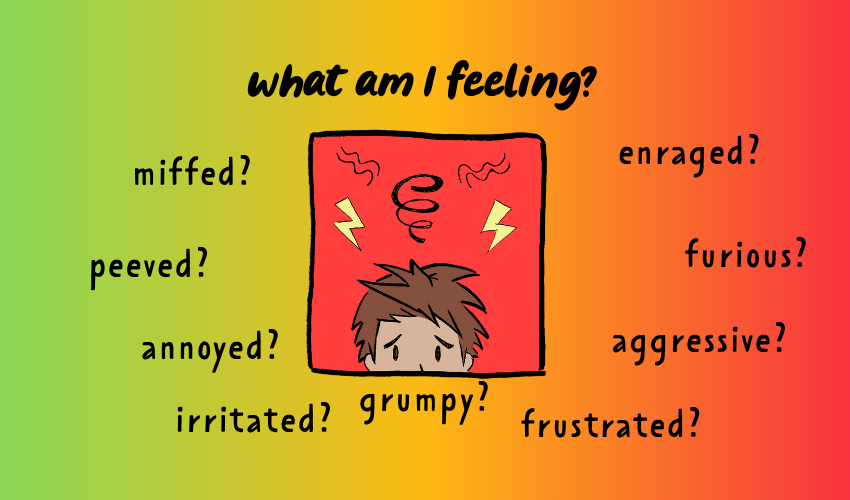
The more words you have for your feelings, the easier they are to understand and handle.
Feelings can be confusing — but when you can name them, they make more sense.
If you can say, “I feel worried,” or “I feel annoyed,” instead of just “I feel bad,” it helps you and others know what you need.
Some feelings are small and pass quickly. Others feel big and heavy.
You could think of them like a *feelings scale*:
- Small: calm, curious, okay.
- Medium: nervous, frustrated, lonely.
- Big: angry, scared, really sad.
Try to notice how strong a feeling is — is it a small wave or a big storm?
All feelings are OK — even the tricky ones. They don’t last forever.
You can build your feelings vocabulary by:
- Using a feelings chart or emoji list.
- Noticing how characters in shows or books feel.
- Talking about your own feelings with friends or trusted adults.
The more you practise naming feelings, the easier it gets to manage them. Fiind more about feelings words in the wellbeing toolkit
Meet Fish Finger
A fabulous and funny film about fish, friendship and feelings... written and created by Bradley with a bit of help from the awesome artist and animator Hannah Anastasi (hannahanastasi.com) and some support from Headstart Kernow Youth as part of StartNow.